

Metal to Plastic Part Conversion
Convert from Metal and Other Materials
Transform Existing Designs Into High-Performing Rotomolded Parts
Improve cost, performance, and manufacturability by converting existing designs to rotationally molded components. At Elkhart Plastics, we partner with OEMs to evaluate current parts and identify opportunities to simplify production and reduce total manufacturing cost.
By converting metal, fiberglass, or multi-part assemblies into a single rotomolded component, you can eliminate welds and joints, reduce weight, and minimize secondary operations. The result is a more reliable product with fewer failure points and a more efficient, streamlined manufacturing process.
Rotomolded parts also provide excellent resistance to impact, chemicals, and environmental conditions, providing long-term performance while helping reduce maintenance and replacement costs.
We can help you redesign for better quality, functionality, durability, and shorter lead times.
Request Info
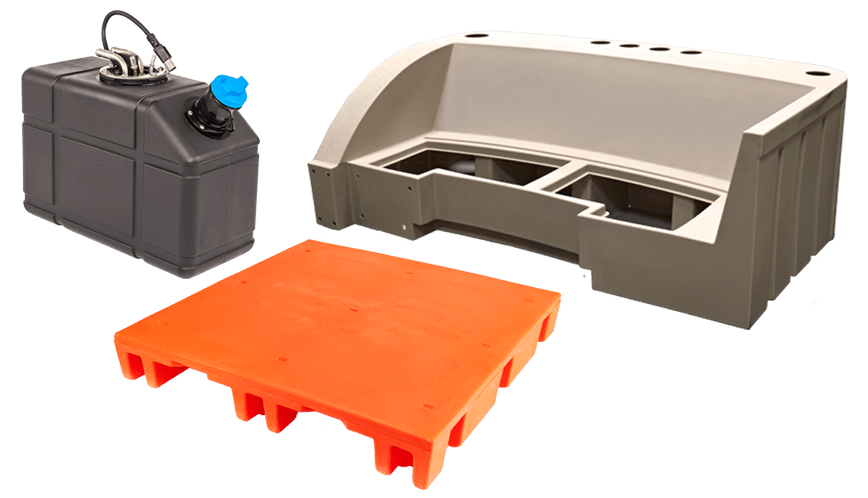
Advantages of Rotational Molding
Rotomolding, also known as rotational molding, is a manufacturing process that involves the creation of hollow plastic parts. It offers several advantages over traditional materials, making it an ideal choice for various applications. By converting metal and fiberglass parts into rotomolded ones, companies can benefit from the following:

Weight Reduction
One of the most significant advantages of rotomolded parts is their lightweight nature. Plastic is inherently lighter than metal and fiberglass, reducing transportation costs. Additionally, lighter components can enhance overall product performance and ease of handling.

Cost Savings
Converting to rotomolded parts can lead to substantial cost savings. The manufacturing process for metal and fiberglass components often involves multiple steps, including welding, machining, and finishing, which require specialized equipment and skilled labor. Rotomolding, on the other hand, is a streamlined process that requires fewer manufacturing steps, reducing labor and equipment costs. Moreover, plastic materials are generally more cost-effective than metals and fiberglass, resulting in significant cost savings for companies.

Design Flexibility
Rotomolding allows for greater design flexibility than metal and fiberglass manufacturing processes; with rotomolding, complex shapes, curves, and contours can be easily achieved, opening up possibilities for innovative and customized designs. This flexibility enables companies to create products that are not only functional but also visually appealing, providing a competitive edge in the market.

Corrosion Resistance
Metal components are susceptible to corrosion, especially in harsh environments or when exposed to chemicals. Fiberglass can also deteriorate over time due to UV exposure or moisture absorption. In contrast, rotomolded plastic parts are highly resistant to corrosion, UV rays, and chemicals, ensuring long-lasting durability and reducing maintenance costs.
Examples of Plastic Conversion
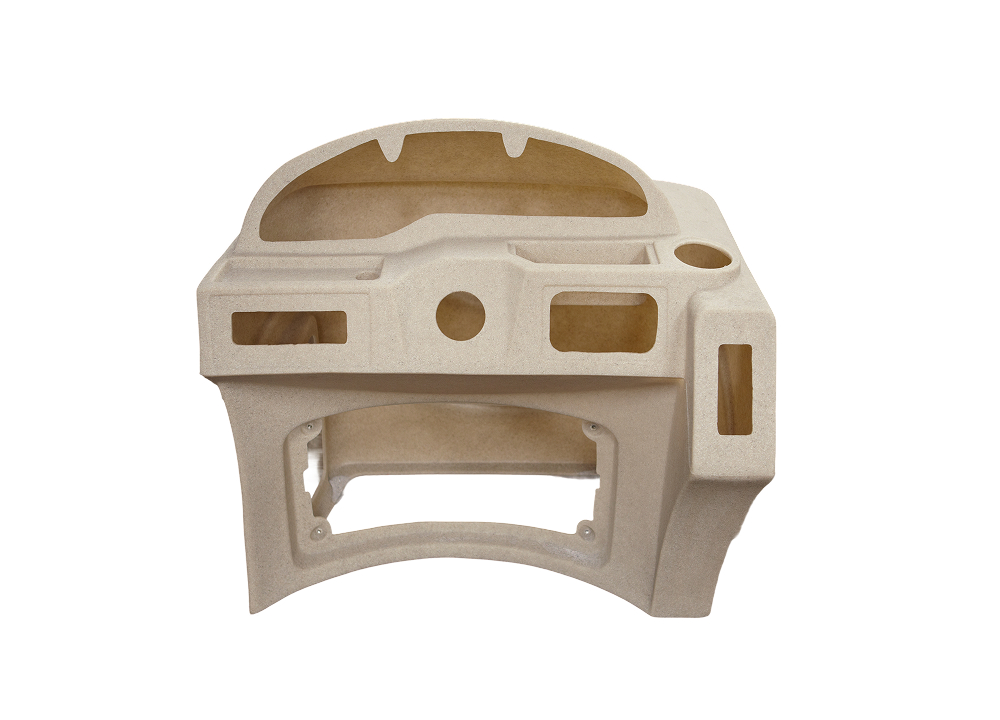
Fiberglass to Rotomolded Polyethylene (LLDPE)
Rotomolded products can resemble fiberglass with solid color and surface finish. We’ve helped customers in the marine industry reduce costs and increase efficiency by transitioning from fiberglass to plastic.
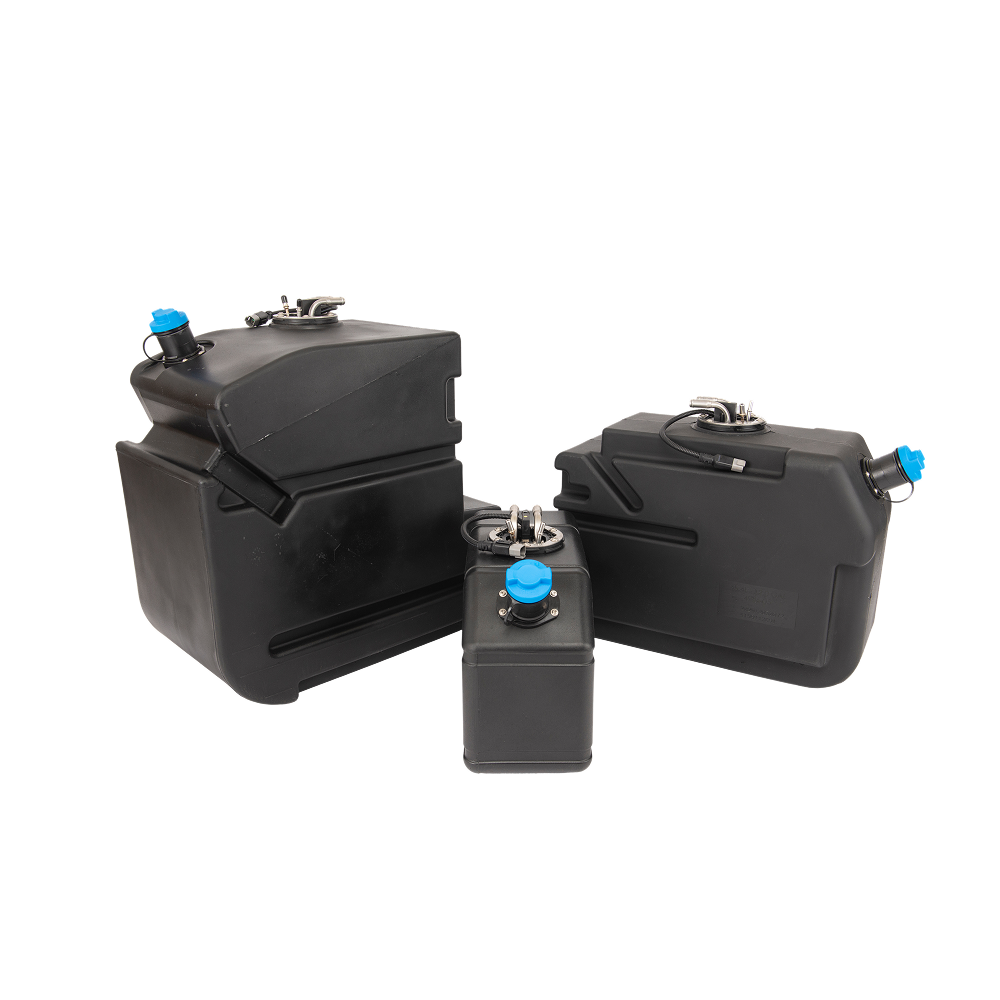
Metal to Rotomolded Diesel Fuel Tanks
Unlike metal, rotomolded fuel tanks do not rust and can be designed to maximize space.
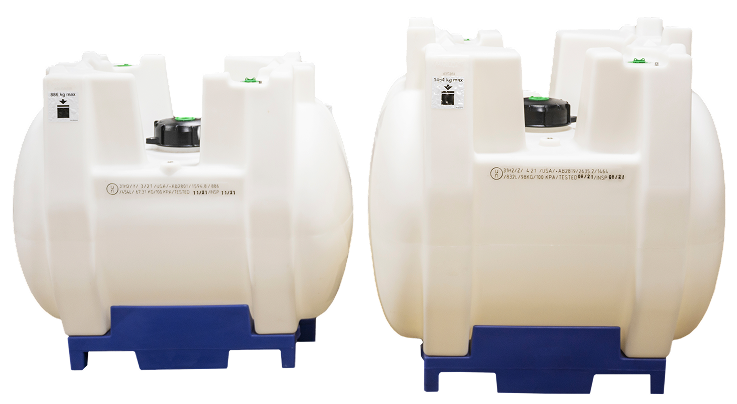
Stainless Steel to Rotomolded IBCs
Stainless steel IBCs are expensive. Rotomolded polyethylene construction costs less, has no welds to leak, involves shorter production lead times, and produces higher-quality tanks.
Steel Equipment Canopy to Rotomolded Design
A customer brought us a heavy, boxy, steel powder-coated canopy. Servicing the equipment under the canopy was challenging, with few small access panels available. When converted to rotomolding, the canopy is lighter and rust-free; it has a modern shape with color throughout and hinges up and out of the way for equipment servicing.