

Intermediate Bulk Containers (IBC Tanks)
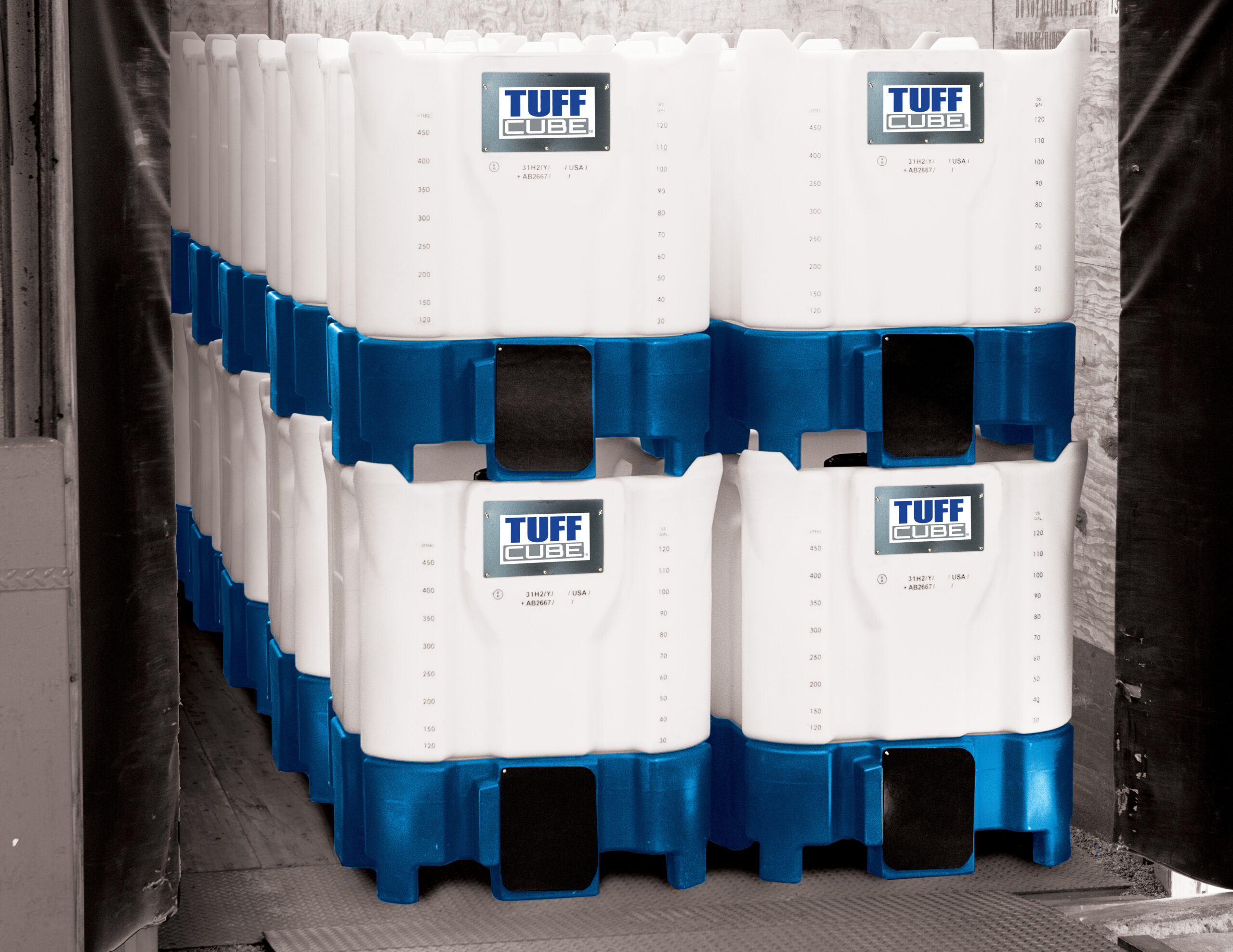
Proprietary or Custom Intermediate Bulk Containers
From filling to forklift handling, draining to distribution, custom Intermediate Bulk Containers (IBCs) offer a practical, efficient solution when engineered to your exact requirements. Elkhart Plastics is the leading U.S. rotomolder for custom IBCs, supporting your project with deep design, materials, and manufacturing expertise.
Engineers evaluate your specifications, such as dimensions, material selection, and handling features, to ensure feasibility and performance. The result is a durable, high-strength IBC produced with speed, precision, and cost-efficiency.
OUR IBC TANKS
Upgrade Your Fleet to Reusable Intermediate Bulk Containers
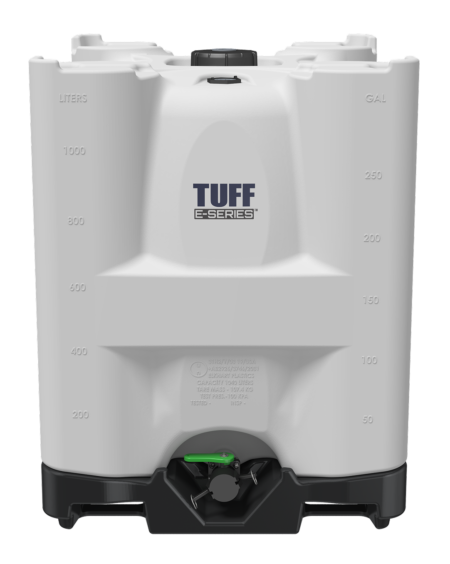
TUFF E-Series™
A robust and user-friendly solution that outperforms standard bottle & cage IBCs.
View Product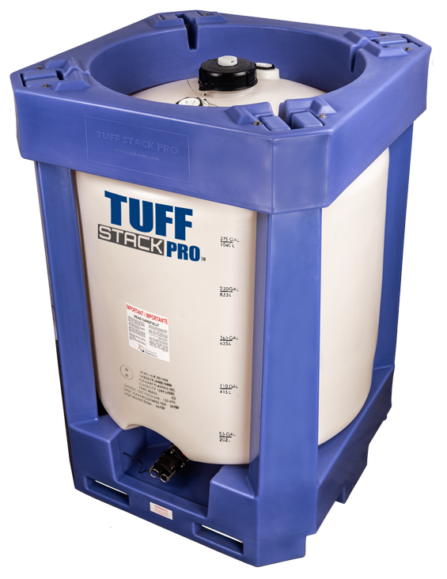
TUFF Stack Pro®
The TUFF Stack Pro offers an inner cylindrical tank positioned within a heavy-duty all-poly structural frame.
View Product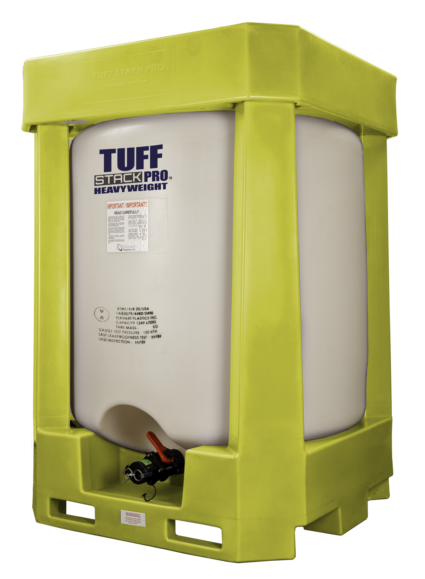
TUFF Stack Pro® Heavyweight
The TUFF Stack Pro Heavyweight design 428 KPA with sloped bottom drain for complete product drainage. Three 2" NPS replaceable accessory fittings on top.
View Product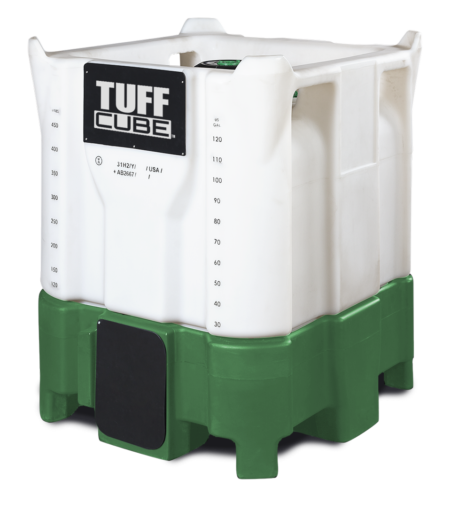
TUFF Cube®
The TUFF Cube is the only Elkhart Plastics IBC sized by the liter. Like our other IBC products, the TUFF Cube offers several accessories and replacement parts.
View Product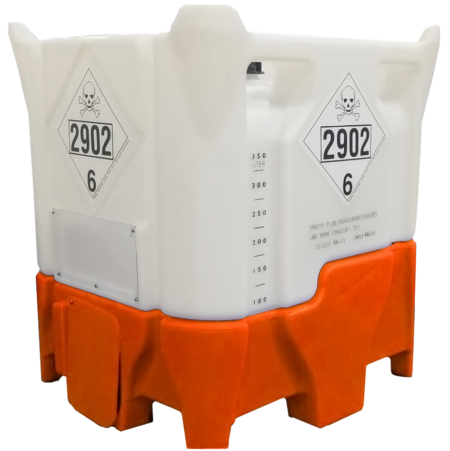
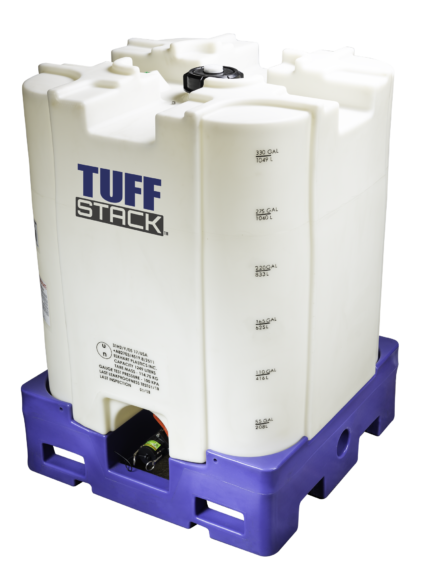
TUFF Stack® IBC Tote
A robust and user-friendly solution that outperforms standard bottle & cage IBCs
View Product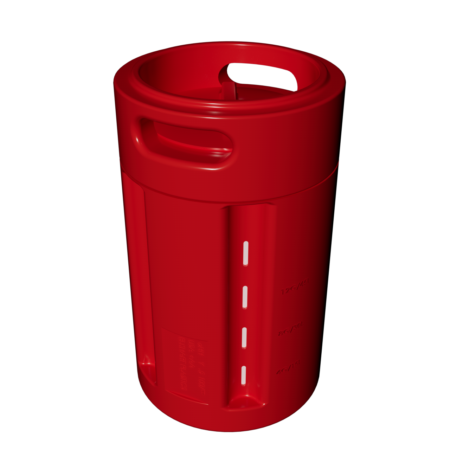
60L Composite Drum
The first UN/DOT-certified composite drum featuring a fully replaceable liner.
View Product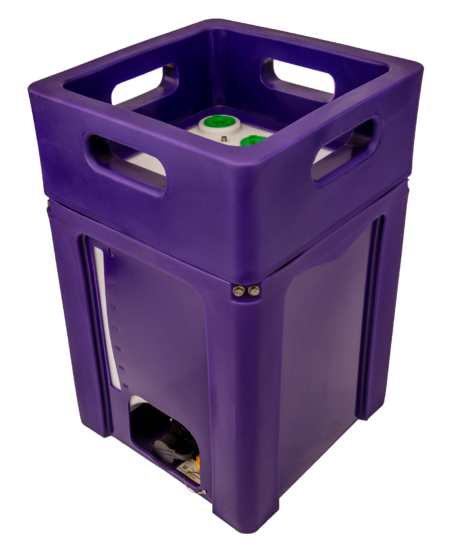
TUFF LinQ® Valve
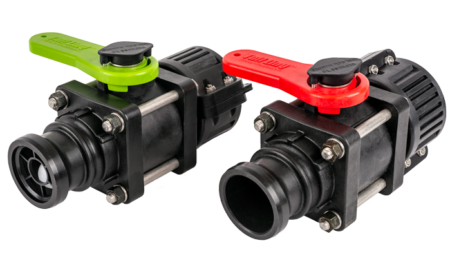
Designed for a superior seal, secure connections, easier cleaning, and reduced contamination risk.
View ProductThe TUFF Series Difference
Intermediate Bulk Containers To Meet Every Need
Intermediate Bulk Containers, or IBC tanks, totes, or pallet tanks, must meet the diverse demands of transporting, storing, dispensing, and reusing materials ranging from water to chemicals and food-grade liquids. Elkhart Plastics offers a broad range of sizes, colors, and resins to meet your specific needs for complete drainage, sanitary connections, replaceable accessory fittings on top, and much more.
Reliable IBCs
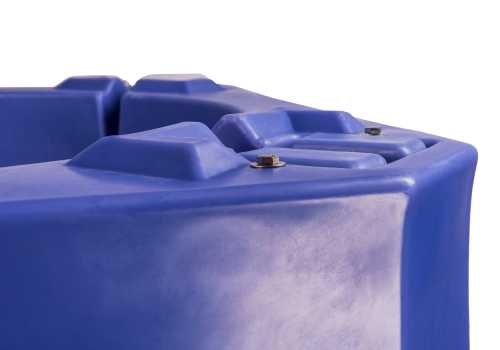
UN/DOT Certified for Packing Groups II and III regulated and non-regulated materials. IBCs are rotationally molded using industrial-grade and corrosion-free HDPE to have thick, durable walls and high-impact strength.
Reusable Totes
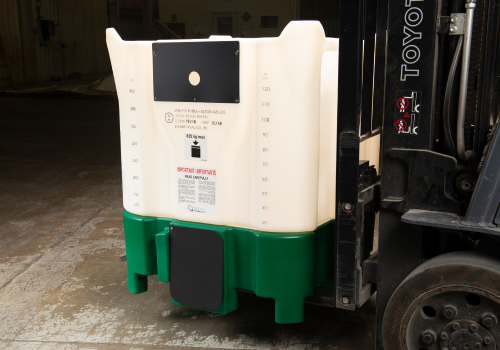
Returnable IBC tanks are constructed for reuse for 7-10 years*, and are designed for multiple and repeated turns. Investing in a fleet of asset tanks delivers a higher ROI and reduces waste compared to one-way containers for single use. *Lifecycle varies depending on the application
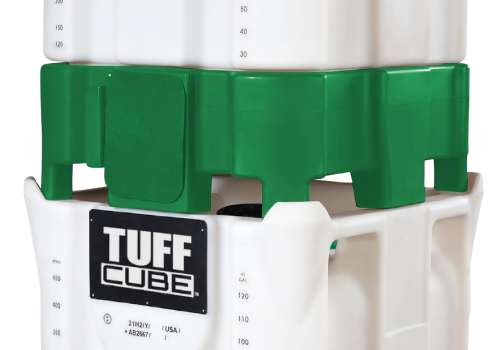
Stackable
Interlocking base design fits securely into tank tops, enabling safe, stable stacking during transport and storage. The rotomolded, one-piece base resists cracking, warping, and stacking stress, reducing the risk of shifting, leaning, or collapse while maximizing load stability.
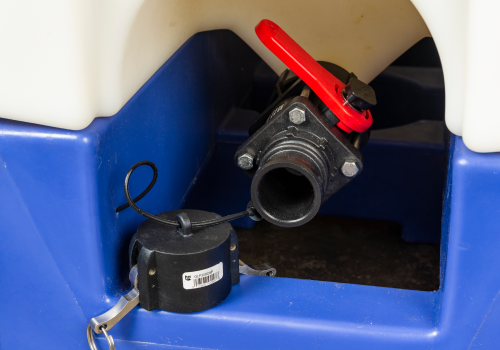
Superior Valve Design
Offering a 30% stronger connection than the industry standard valve! Available in standard and stubby versions, TUFF LinQ® is designed with external threads to eliminate threads within the producing zone and create an improved sanitary connection.
Frequently Asked Questions
Why Intermediate Bulk Containers (IBCs) Are the Smart Choice for Industrial Packaging
Intermediate Bulk Containers (IBCs) offer a cost-effective, space-saving, and versatile solution for transporting and storing both liquid and dry bulk materials. Compared to traditional shipping containers, drums, or other bulk packaging options, IBC totes provide numerous advantages across a wide range of industries—including chemicals, oil & gas, paint & coatings, adhesives, pharmaceuticals, and food & beverage.
With rising costs in raw materials, labor, and transportation—alongside ongoing supply chain disruptions—businesses are under pressure to find more efficient, reliable, and sustainable packaging solutions. Choosing the right type of IBC can help reduce waste, streamline logistics, and lower total costs.
In this article, we explore the diverse types of liquid IBC containers available, highlight key benefits for liquid bulk applications, and answer frequently asked questions to help you determine the best IBC solution for your specific operational needs.
-
What are Intermediate Bulk Containers (IBCs)?
Intermediate Bulk Containers (IBCs) are reusable, industrial-grade containers designed to safely store and transport bulk liquids, powders, and semi-solids. Also known as a tote, the IBC is capable of stacking and can be moved by pallet jack or forklift. The term “intermediate” refers to their capacity, which falls between smaller containers like drums (30 liters/ 8 gallons) and larger options like tankers. IBCs typically range from (60 liters / 16 gallons) to (1,249 liters / 330 gallons), with the (1,041liter/ 275 gallon) IBC totes being the most common in supply chains.
Made from materials such as plastic (HDPE), stainless steel, or composite materials, IBCs come in rigid, flexible, or foldable designs. For example, some might need to store, transport, and dispense regulated products which all-poly IBCs offer UN/DOT certified options. The best choice depends on your product’s viscosity, hygiene requirements, fill/discharge needs, and transport method.
-
What are the benefits of using an intermediate bulk container (IBCs) for liquid bulk?
Using IBCs provides the following benefits:
- High Volume Efficiency: The ability to ship more product per unit than drums or pails.
- Ease of Use: IBCs are designed for seamless filling, stacking, and discharging with built-in valves and opening for easy access.
- Durability and safety: bulk containers are engineered to withstand heavy handling and harsh environments, providing a safe and reliable means of transportation and storage.
- Easier store, transport and dispense bulk containers are designed for mobility. They can easily be moved by forklifts, pallet jacks, or cranes, which make them a more efficient option than traditional containers that require manual handling.
- Contamination Protection: IBCs are designed to protect liquid bulk products from contamination and damage, ensuring materials remain in top condition during transportation and storage.
- Lower Carbon Footprint: IBCs are made of durable materials and many are reusable, recyclable, and efficient for return logistics to help you reach your sustainability goals.
- Cost Savings: containers can be reused multiple times. You will reduce waste, labor, and transport costs through reuse and better cube utilization.
-
What benefits do Rigid HDPE IBCs provide?
A rigid plastic bulk container offers a wealth of benefits, including:
- High Volume Efficiency: The ability to ship more product per unit than drums or pails.
- Ease of Use: Rigid IBCs are designed for seamless filling, stacking, and discharging with built-in valves and opening for easy access.
- Durability and safety: Rigid IBCs are engineered to withstand heavy handling and harsh environments, providing a safe and reliable means of transportation and storage.
- Easier to store, transport and dispense: Rigid IBC containers are designed for mobility. They can easily be moved by forklifts, pallet jacks, or cranes, which make them a more efficient option than traditional containers that require manual handling.
- Contamination Protection: Rigid IBCs are designed to protect liquid bulk products from contamination and damage, ensuring materials remain in top condition during transportation and storage.
- Lower Carbon Footprint: Rigid IBCs are made of durable materials and many are reusable, recyclable, and efficient for return logistics help you reach your sustainability goals.
- Cost Savings: Rigid IBCs can be reused multiple times. You will reduce waste, labor, and transport costs through reuse and better cube utilization.
In summary, rigid IBCs offer a combination of durability, space efficiency, cost-effectiveness, and sustainability, making them a valuable tool for businesses looking to efficiently store and transport bulk materials.
-
What is the best type of valve for a Rigid HDPE IBC
Generally, there are two types of valves that can come on a Rigid HDPE IBC: an internal thread design or an external thread design. Both valves will work, but an externally threaded connection can be upwards 30% stronger than an internally threaded connection.
A superior externally threaded connection reduces the risk of contamination by eliminating internal threads within the product zone.
-
Are intermediate bulk containers (IBCs) clean?
Yes. For industries transporting food or liquid, product containers must meet stringent hygiene standards. In general, IBCs are designed to be easily cleaned and sterilized, so materials are kept contaminant-free.
Plastic containers are non-porous and resistant to moisture, insects, fungi, acids, fats, solvents, and odor, so are an extremely hygienic option.
There are several diverse types of Elkhart Plastics IBCs to meet the needs of your supply chain.
-
Are plastic bulk containers heavy duty enough to handle my supply chain?
Generally, plastic IBCs are designed to be durable and withstand the rigors of transportation and storage. They are often made from high-density polyethylene (HDPE), which is a tough and resilient plastic material that can handle a wide range of products, including chemicals, oil & gas, paint & coatings, adhesives, pharmaceuticals, and food & beverage.
However, not all plastic IBCs are created equally. When choosing the right IBC for your supply chain, consider the thickness of the plastic walls, the quality of the seams and joints, and the strength of the valve and fittings. You will also need to consider the strength of the base. A rotomolded base design provides the best strength and impact resistance. Bases with anti-teetering features provide safety.
It is a good idea to consult with a supplier or manufacturer of plastic IBCs to make sure you select the right container for your needs.
-
Are plastic bulk containers reusable and recyclable?
Yes. Bulk containers can be reused many times as long as they remain in good condition and meet the necessary safety standards. After each use, they can be cleaned and sanitized, making them a cost-effective and environmentally friendly option for many industries.
Additionally, many bulk containers are made from recyclable materials, such as HDPE plastic or stainless steel. When an IBC reaches the end of its useful life, it can be recycled and the materials can be repurposed into new products, helping to reduce waste and conserve resources.
Companies are opting for IBCs due to their numerous benefits over traditional shipping containers.
-
What kind of companies opt for a plastic bulk container and why?
It is no surprise from the benefits listed above that bulk plastic containers are used by a wide range of industries and for various products, including:
- Agriculture, chemicals such as herbicides, pesticides, and fungicides.
- Water Treatment, chemicals such as bleach, sodium hydroxide, and ammonia.
- Chemical Electronic, high purity chemicals.
- Paint & Coatings, heavy metals and isocyanates.
- Chemical Oil & Gas
- Adhesives, chemicals such as isocyanates and formaldehyde.
- Food and beverage, such as juices, syrups, oils, purees, and pastes
- Pharmaceuticals, such as liquid ingredients and finished products.
- Cosmetics and personal care, such as fragrances and lotions
- Waste management, including hazardous and non-hazardous waste.
The main reasons why these companies use plastic IBCs are for their durability, cost-effectiveness, and environmental friendliness. They can withstand the rigors of transportation and storage and can also be reused and recycled, which makes them ideal for businesses looking to achieve sustainability goals.
Leading North American chemical companies are converting from limited use bottle & cage fleets to reusable IBCs.
-
What is the cost of an intermediate bulk container (IBC)?
The total cost of a bulk container should be viewed in the context of its overall value to your business. For example, heavier materials cost more to ship, and a lower-priced IBC may save you money upfront but will not be as durable or long-lasting as a higher-priced one and might need to be replaced more frequently. Additionally, shipping and handling costs, as well as taxes and tariffs will have an impact on the final cost.
Businesses looking to transport bulk liquids have seen the price of metal IBCs increase in recent times, posing a challenge for companies looking to control costs and remain competitive.
With ESG considerations on the rise, a fleet of reusable Rigid IBCs that can last up to 5 years is more cost effective (better ROI) than other IBC options.
-
Next steps to switch from composite (bottle & caged) IBCs to reusable rigid IBCs?
Ready to streamline your bulk packaging?
Let Elkhart Plastics help you optimize your supply chain with reusable; rigid IBC containers built for today’s global logistics challenges.